Greatness of one demands the sacrifice of two
“संभव है दृश्य उतना नहीं बदला जितना मेरी दृष्टि बदल गई है।”
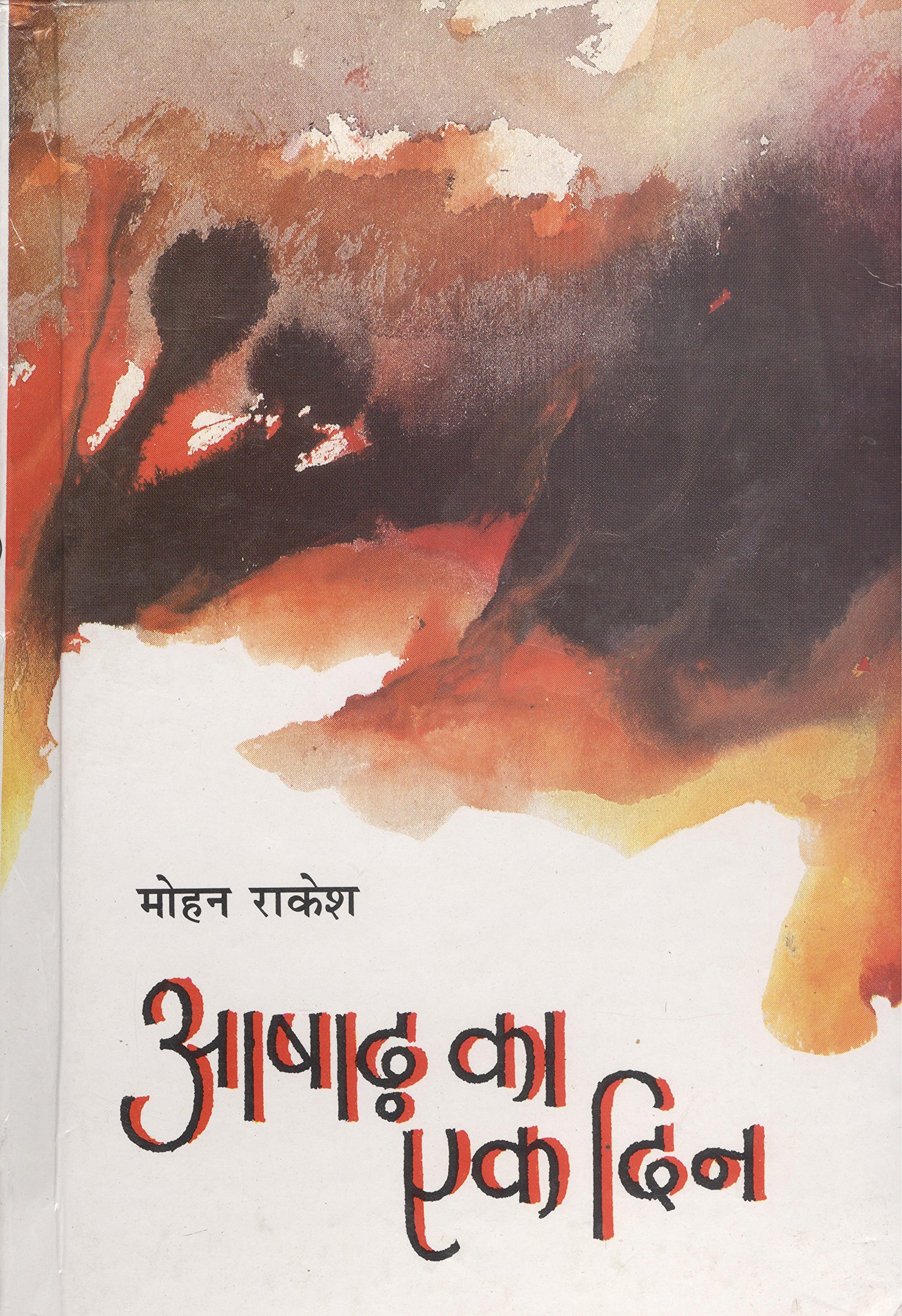
Rarely do we come across stories based on an artist’s life that are created by interpreting their works of art. Mohan Rakesh once wrote that while reading ‘Meghadoot’, he was so deeply moved by the lover’s separation in the poem that he had a strong suspicion that Kalidasa might’ve experienced the alienation and guilt of the characters personally. This idea, along with a sprinkle of his unparalleled imagination, germinated into his debut play.
आषाढ़ का एक दिन, a play written by Mohan Rakesh, tells us the tale of Kalidasa and Mallika. These characters live in the northern mountainous region of India, where beauty is abundant, and inspiration is limitless.
Mallika is a devoted woman who loves Kalidasa from the bottom of her heart. It is her love and devotion that nourish Kalidasa’s poems. However, when the two of them are seen together, society whispers. And whatever the society whispers makes Mallika’s mother, Ambika, worried about her daughter’s future. Needless to say, Ambika does not have a favourable view of Kalidasa and his attitude towards her daughter.
After a chance encounter with a royal representative from the kingdom of Ujjayini, Kalidasa is invited by the king, who wants to bestow upon him the honour of being his court poet. Initially, Kalidasa declines to accept the king’s offer. But he is persuaded by Mallika to accept the offer, as she wants to see him get all the recognition that he deserves.
“योग्यता एक चौथाई व्यक्तित्व का निर्माण करती है, शेषपूर्ति प्रतिष्ठा द्वारा होती है।”
Here, we are introduced to the character of Vilom, who offers bitter warnings and harsh truths to both Kalidasa and Mallika. Without this character, the play would never be complete. Vilom confounds Kalidasa both psychologically and philosophically. He questions Kalidasa about his behaviour towards Mallika and asks him what he thinks of their future together. Kalidasa composes himself after facing the brunt of Vilom’s sharp questions. And then, one rainy day, Kalidasa leaves everything and everyone behind and heads towards the kingdom of Ujjayini.
Years pass, and Kalidasa composes wonderful poems. He gains popularity and respect. Soon, he marries the scholarly Priyangumanjari and enters into politics. His skills are noted, and he is soon made the ruler of Kashmir. All this while, Mallika is back home taking care of an ailing Ambika. On his way to Kashmir, Kalidasa passes through his village but does not meet Mallika. Instead, Priyangumanjari visits Mallika and has a row with her. Yet again, Mallika is left alone.
Many years after ruling Kashmir, Kalidasa attempts to return to the world and the love he had left behind. Coincidentally, when he does so, it is another rainy day. Mallika’s withering house and form greet Kalidasa. And after a long time away, they finally express their emotions to each other.
One of the key themes in the play is the conflict between idealism and practicality. It seems as if everyone other than Kalidasa and Mallika appreciates the importance of a real, practical life. Three key characters, Ambika, Vilom, and Priyangumanjari, confront the idealists about their naive outlook and force them to see the destructive paths they were walking on.
“मां का जीवन भावना नहीं, कर्म है।”
Ambika is the voice of practical reason in her daughter’s life. Yet, Mallika, out of faith in her emotions, dismisses her mother’s warnings.
“विलोम क्या है? एक असफल कालिदास। और कालिदास? एक असफल विलोम। हम कहीं एक दूसरे के बहुत निकट पड़ते हैं।”
While I felt that Vilom was extremely intrusive in both Kalidasa’s and Mallika’s lives, he always showed them the bitter truth they kept running away from. He is the reminder of reality in their lives that conveys the idea that the beauty of idealism is ephemeral.
Even Priyangumanjari, who, although patronisingly, offers to help Mallika, understands the gravity of the situation in which Mallika is and tries to find a practical solution. However, adamant as always, the idealists refuse to listen.
However, adamant as always, the idealists refuse to listen.
One of the most painful and emotionally moving parts of the play arrives at the end, where Kalidasa, in an attempt to get back his previous life, speaks to Mallika and expresses his sorrow. When Kalidasa looks at the blank pages that Mallika had saved for him to write his next epic on, he is completely overwhelmed and says the following:
“स्थान स्थान पर इन पर पानी की बूंदे पड़ी हैं जो निसंदेह वर्षा की बूंदे नहीं हैं लगता है तुमने अपनी आँखों से इन कोरे पृष्ठों पर बहुत कुछ लिखा है।”
This brings us to another important idea that Mohan Rakesh conveys through this play. What all can artists sacrifice for their art? When Kalidas returns and meets Mallika, he confesses his deepest feelings for her. He tells her that she has been the inspiration and muse for all of his poems. All of his works are nothing but the repetition of their shared history.
It was at this point that a sad realisation dawned upon me. Kalidasa always considered Mallika as his muse. Mallika is present in Kalidasa’s poems, but she is absent from his life. Kalidasa remembers her as an inspiration but has forgotten her as a person. In the end, the art remembers what the artist has forgotten.
“किसी संबंध से बचने के लिए अभाव जितना बड़ा कारण होता है, अभाव की पूर्ति उससे बड़ा कारण बन जाती है।”
However, we should not completely blame Kalidasa for Mallika’s ruin. If we do that, we take away Mallika’s autonomy over her life. I feel that Mallika is equally responsible for her ruin, as she never decided to move on. She accepted the detritus of her present because she was stuck in the past. Due to her inaction, it wasn’t her but the world around her who decided her fate.
The antagonist of this story isn’t Vilom or Priyangumanjari. It is rather an undeniable fact that made Kalidasa bow down. The antagonist of this story is the never-ceasing flow of time. Kalidasa leaves and comes back to Mallika, both on a rainy day. While he expects everything to be the same, time has passed. Nature’s seasons are cyclical, but the time we spend together or away from each other is irreversible.
With आषाढ़ का एक दिन, Mohan Rakesh takes the unwritten suffering of Mallika and attempts to elevate it to the grandeur of Kalidasa’s poetry. I would highly recommend this play to anyone interested in Hindi literature. It’s a play that will make you think about difficult questions, face strong emotions, and leave you with an unforgettable story.
I really hope that someday I get to see this play performed live!
My final rating:
If you liked the above article, please consider reading the following:
आज के प्रसिद्ध शायर - निदा फाजली
A review of Nida Fazli's collected works

Through the Kashmiri Stag's mouth: A Review of Sajad Malik's Munnu
A review of Sajad Malik's Munnu: A Boy From Kashmir
अक्टूबर जंक्शन
October Junction is tale by Divya Prakash Dubey that has garnered lots of love and attention from the Hindi reading world.