माया मरी न मन मरा, मर मर गए शरीर। - कबीर दास
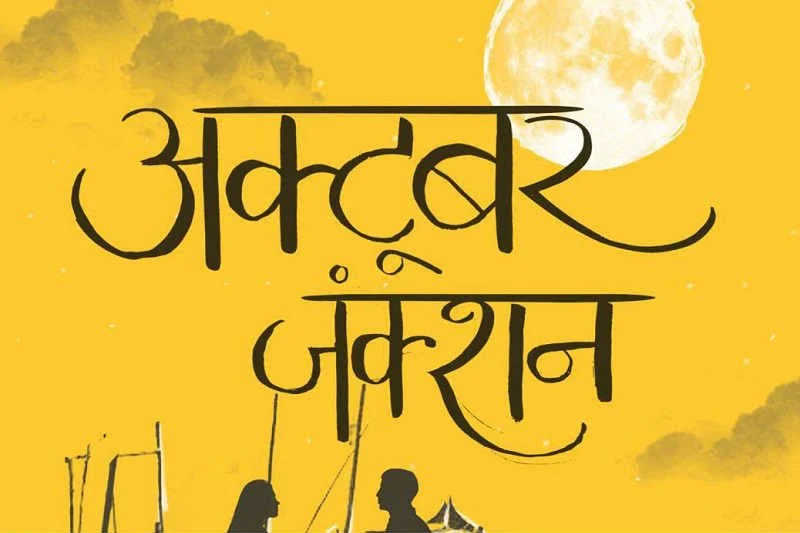
October Junction is a tale that explores the depths of platonic friendships and passionate ambitions through its lead characters, who share a special relationship. Their story challenges the definition of love and emphasizes the need for respect, understanding, and caring in any relationship.
“बनारस आते बहुत लोग हैं लेकिन पहुँच कम लोग पाते है।”
Author Divya Prakash Dubey wastes no time in introducing the main characters of his story, who meet each other in the ever-mystic city of Varanasi. With the backdrop of a spiritual city, the author reveals the ambitions of his characters, Chitra and Sudip. Chitra is an aspiring author, and Sudip is a veteran investor-turned-startup founder, both trying to make it big in the literary and business worlds, respectively.
“हर अधूरी मुलाकात एक पूरी मुलाकात की उम्मीद लेकर आती है।”
On their last day in Varanasi, Chitra and Sudip promise to meet each other every year on October 10th. And so, the story unfolds with the passage of a year. Every year brings a new set of challenges and joys in the lives of the two characters. What stays constant, through the vicissitudes of time, is their relationship with each other.
“किसी के साथ बैठकर चुप हो जाना और इस दुनिया को रत्ती भर भी बदलने की कोई भी कोशिश न करना ही तो प्यार है।”
The writing of this book is simplistic, yet it conveys its messages gracefully. While the concept of two strangers staying in touch and meeting each other after a year has been explored in books written in various languages, it was attempted in this book for the first time in Hindi literature. The best thing was that instead of depending on a concept heavily, the story progressed through it and utilized it to convey its message.
“जब तक कहानियाँ अधूरी रहती हैं, तब तक लेखक और पाठक की उंगलियाँ उन्हें बार-बार छूने के लिए बेचैन होती रहती हैं।”
I had a few issues with this book. At certain places where ideas should have been explored deeply, they were scratched on the surface, leaving me unsatisfied. Supporting characters like Abhijat and Sanya were not completely fleshed out, making their presence feel rather awkward in the story and only necessary for driving the story ahead. Like many other readers, I too felt that the ending was rushed. I am not saying that the author shouldn’t have ended the story like that. But it should’ve been done in a way that made an overall sense or completed a certain arc instead of providing an abrupt ending. This sort of left a bittersweet taste in my mouth after completing this book.
Overall, I would recommend this book to anyone who wants to start with an accessible Hindi language book. I’m glad that I picked this up for my first read of 2026.
My final rating:
If you liked the above article, please consider reading the following:
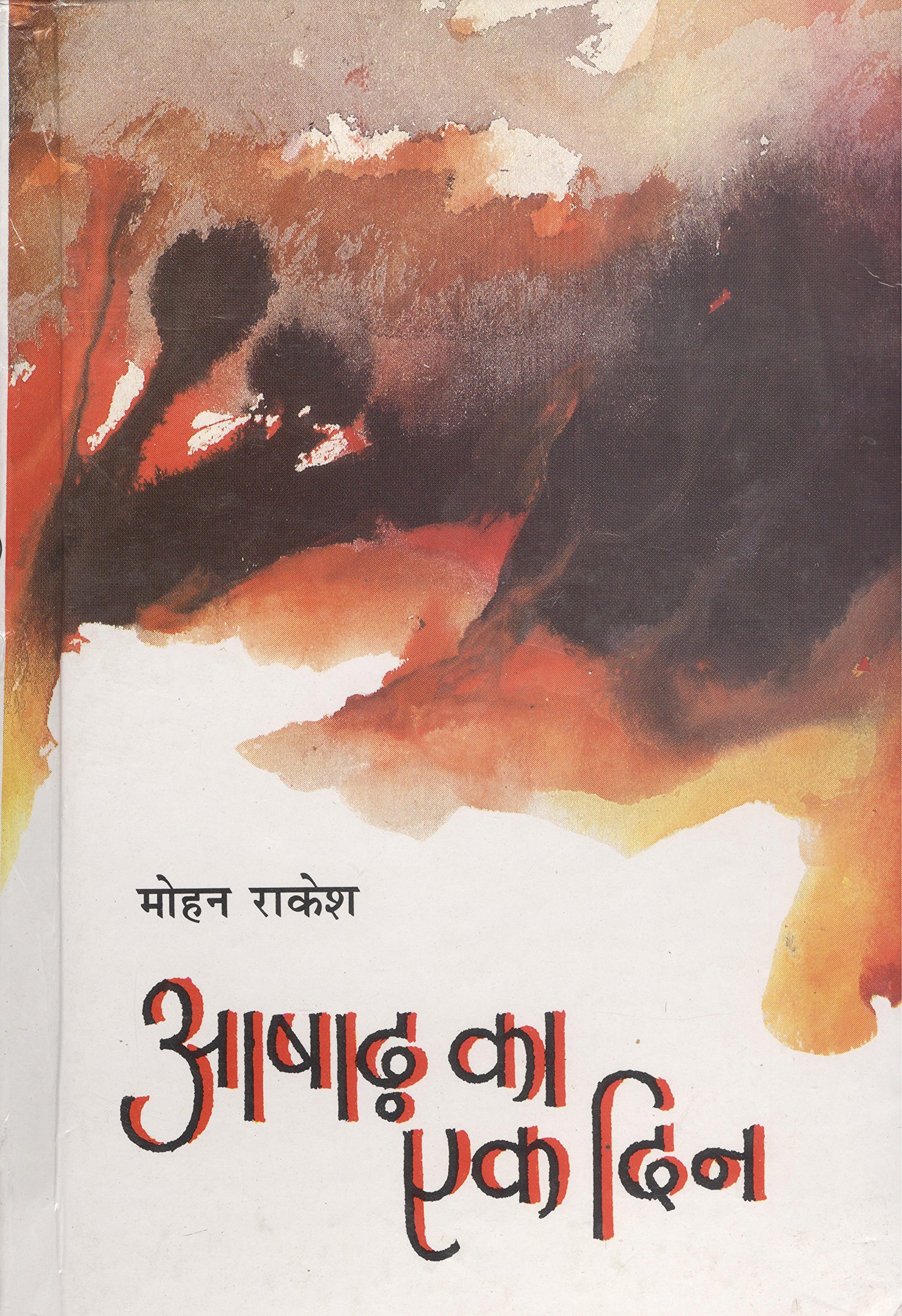
Greatness of one demands the sacrifice of two
A review of Mohan Rakesh's play आषाढ़ का एक दिन, exploring love, artistic ambition, sacrifice, and the irreversible passage of time.
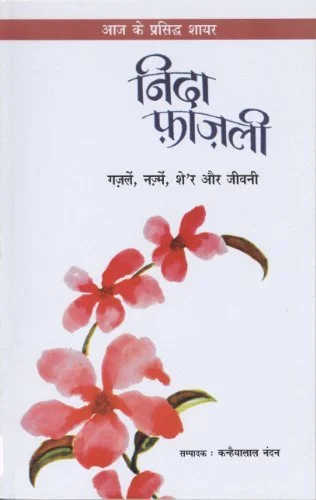
आज के प्रसिद्ध शायर - निदा फाजली
A review of Nida Fazli's collected works
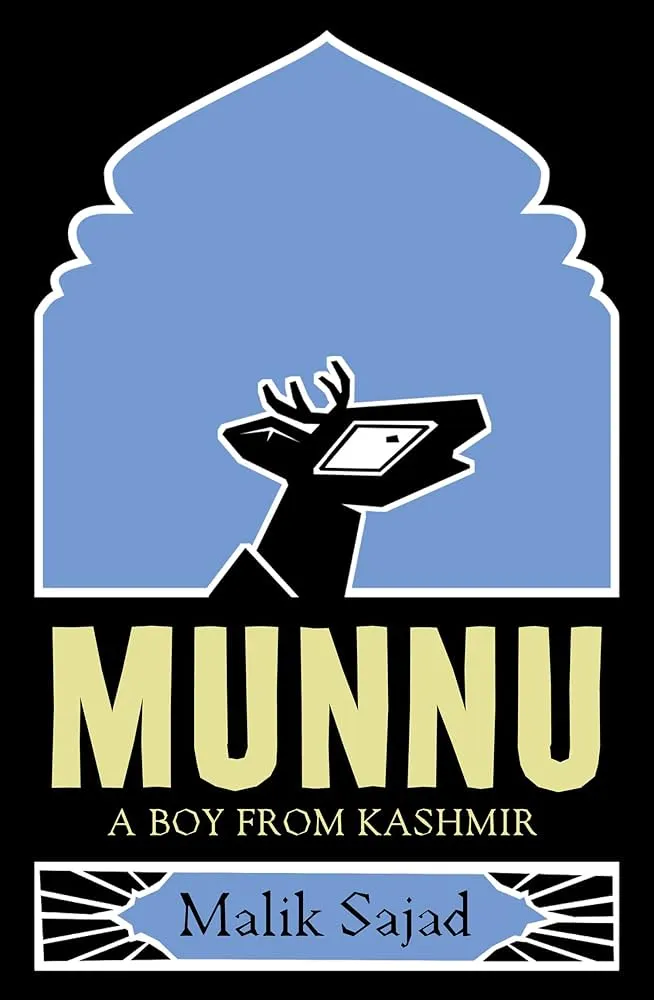
Through the Kashmiri Stag's mouth: A Review of Sajad Malik's Munnu
A review of Sajad Malik's Munnu: A Boy From Kashmir